Message Received and Rejected
Grit isn’t constant and neither is your competitive advantage. Yes, there’s a connection.

Last week’s Positive Psychology class focused on grit. We revisited Angela Duckworth’s research on West Point, which narrowed 14,000 applicants down to 1,200, with one in five dropping out before graduation. It wasn’t due to lack of talent, but because they weren’t used to not being the best.
My thoughts kept returning to my clients. Specifically the ones who show up energized for a challenge, then lose momentum when their goal feels out of reach. So, I asked the teacher…
Is grit a constant? Or does it fluctuate?
The answer “it depends” didn’t shock me. I’m a product manager, and “it depends” is one of our favorite phrases.
Grit is variable. Even for naturally gritty people, motivation rises when striving towards something meaningful and nearly disappears when it is absent.
What Happened at Starbucks
Brian Niccol, Starbucks’ CEO, told investors that the company had been systematically removing staff from stores, assuming equipment could pick up the slack. It was a clean theory. Fewer labor costs. Streamlined operations. Efficiency at scale.
The reality was a disaster. Customer experience tanked. Sales fell for five consecutive quarters.
What started to turn things around was handwritten notes on cups. Ceramic mugs. Seats worth sitting in. Baristas who were actually there.
Niccol told investors: “Equipment doesn’t solve the customer experience that we need to provide, but rather staffing the stores and deploying with this technology behind it does.”
Message received and acted on.
The Easy Path vs. The Real Challenge
The Starbucks story is tempting. It’s easy to blame machines and say the automation wasn’t ready, so bring back humans.
But that misses what actually happened.
Starbucks didn’t lose ground because machines can’t make coffee. The company faltered because they stopped asking what people bring that machines lack. A barista who remembers your order and notices a tough day. The choice to show up as a whole person, not just an efficiency operator.
The hard part isn’t hitting return on Claude Code or Codex. It’s getting the most out of ourselves and putting ourselves forward in the first place. Writing a handwritten thank you note instead of asking AI to draft an email.
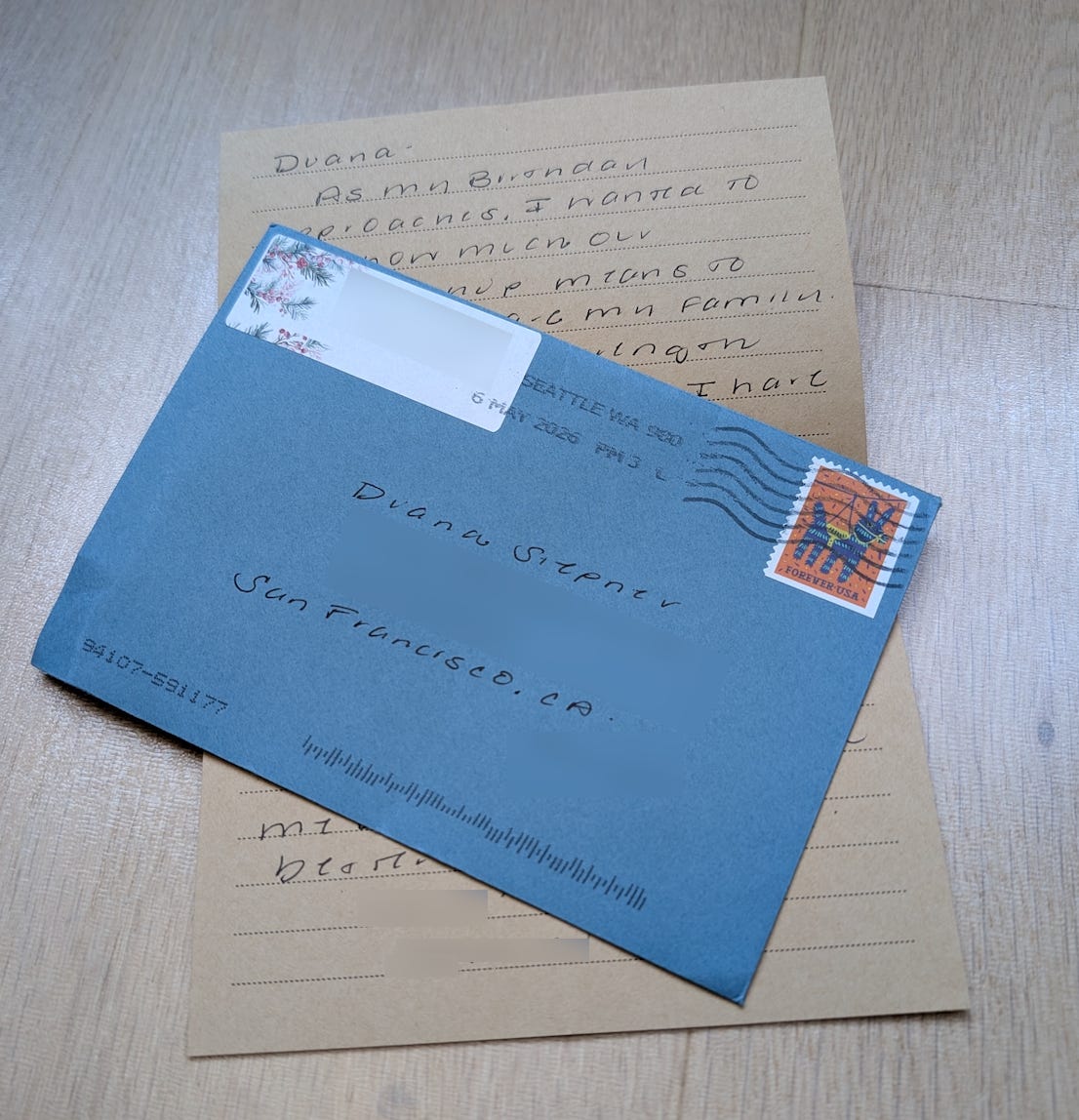
It’s easy to optimize humans out of the equation. It’s genuinely hard to create conditions where humans want to be and feel they can bring their best selves to work. Where curiosity matters more than predictability. Where craft is valued instead of automated away.
Max Schoening (Head of Product, Notion) on Lenny’s podcast provided a tech-forward viewpoint.
I think if we’re not careful, we will lose specialists. …And that to me, I think, is very absent right now from most of the discourse in software, which is all about how many tokens can we spend and how many features can we ship? And I’m like, okay, but where’s the engineering part? And on the design side, yes, anyone can now very quickly … build a very usable user interface, … but where’s the delight in craft?
Your team’s grit doesn’t disappear because the work is hard. It disappears when they stop believing their work and contributions matter.
What Can Leaders Do?
The question isn’t “how can I use AI more?”. It’s am I creating conditions where my team knows their work matters. When people stop believing, no amount of efficiency will bring back their spark.
Not in an environment where humans are valued? I share a few perspectives in this video from Barry O’Reilly’s Artificial Organization book launch in SF.
Here are a few more items to try this week.
Get clear on what only humans bring. Product sense, taste, customer empathy, and noticing what is broken before the data tells you. Develop these capabilities. Stop treating them as nice-to-have’s.
Notice when your team’s energy shifts. Grit isn’t constant. When it fades, it’s usually because the work stopped feeling meaningful. That’s on you to fix, not your team to push through.
Build curiosity into your work. Routine work is cheaper now. Curiosity isn’t. Make it safe to say, “I don’t know yet.” Bring back exploring before optimizing. Make it clear thinking matters as much as shipping.
Pay attention to your spark. Your team picks up on your energy. If you’ve lost yours and feel like you’re just going through the motions, they will notice and believe that’s okay. It’s not.
Starbucks learned the hard way that human presence isn’t a cost center. It’s the product. Your team is valuable not just for their output, but for who they are and what they are capable of doing. And, so are you.
Received the message that human skills no longer matter? Reject it.
If you’re a product leader navigating this tension, trying to keep your team engaged or build something that truly matters, I’d love to talk. I offer 1:1 coaching for product managers and tech leaders, team coaching for organizations in transition, and a complimentary Discovery session to see if we’re a good fit. You can book at calendly.com/dianastepner/45min-discovery, or reach me on LinkedIn.